Remodeling for the Future: How to Make Your Home Adaptive and Accessible Feb 22, 2026
Modern home remodeling is about more than aesthetics; it's about leveraging design for enhanced usability and accessibility. Begin by assessing the current state of your home. Walk through each room and evaluate areas where mobility might be currently restricted or could become restricted in the future. Transition spaces like hallways and doorways are critical focuses. Consider widening door frames to accommodate wheelchairs or walkers, ensuring easy access to all areas of your home.
Another essential aspect of an adaptive home is the bathroom. Traditional bathrooms can pose many challenges for those with mobility issues. Remodeling your bathroom can range from installing walk-in showers with grab bars to adding non-slip flooring and adjustable-height showerheads. Creating a zero-threshold shower can prevent accidents and make bathing easier for everyone, fostering independence and safety in daily routines.
The kitchen, often called the heart of the home, also deserves special attention. Simplifying kitchen usage can significantly enhance the quality of life for those with limited mobility or strength. Consider incorporating lower countertops, pull-out pantry units, and easy-access cabinet storage systems. Installing touch-controlled faucets and easy-to-use drawer systems can improve accessibility. Remodeling with adjustable elements, like pull-down shelves or adaptable-height countertops, ensures the kitchen remains a practical space for every member of the family.
Lighting plays a vital role in creating an accessible home environment. Proper illumination reduces the likelihood of accidents and improves visibility for everyone. Consider installing motion-sensor lighting in frequently used areas like hallways and stairwells. Additionally, adjustable brightness options can accommodate varying needs and preferences, ensuring comfort and safety throughout the home.
Beyond these structural changes, it’s also essential to integrate smart home technology. Voice-controlled smart home devices can help manage lighting, security, and climate control with ease, offering a hands-free solution that can be particularly beneficial for those with physical disabilities. They also offer the convenience of controlling home environments from a smartphone or tablet, allowing for greater independence and security.
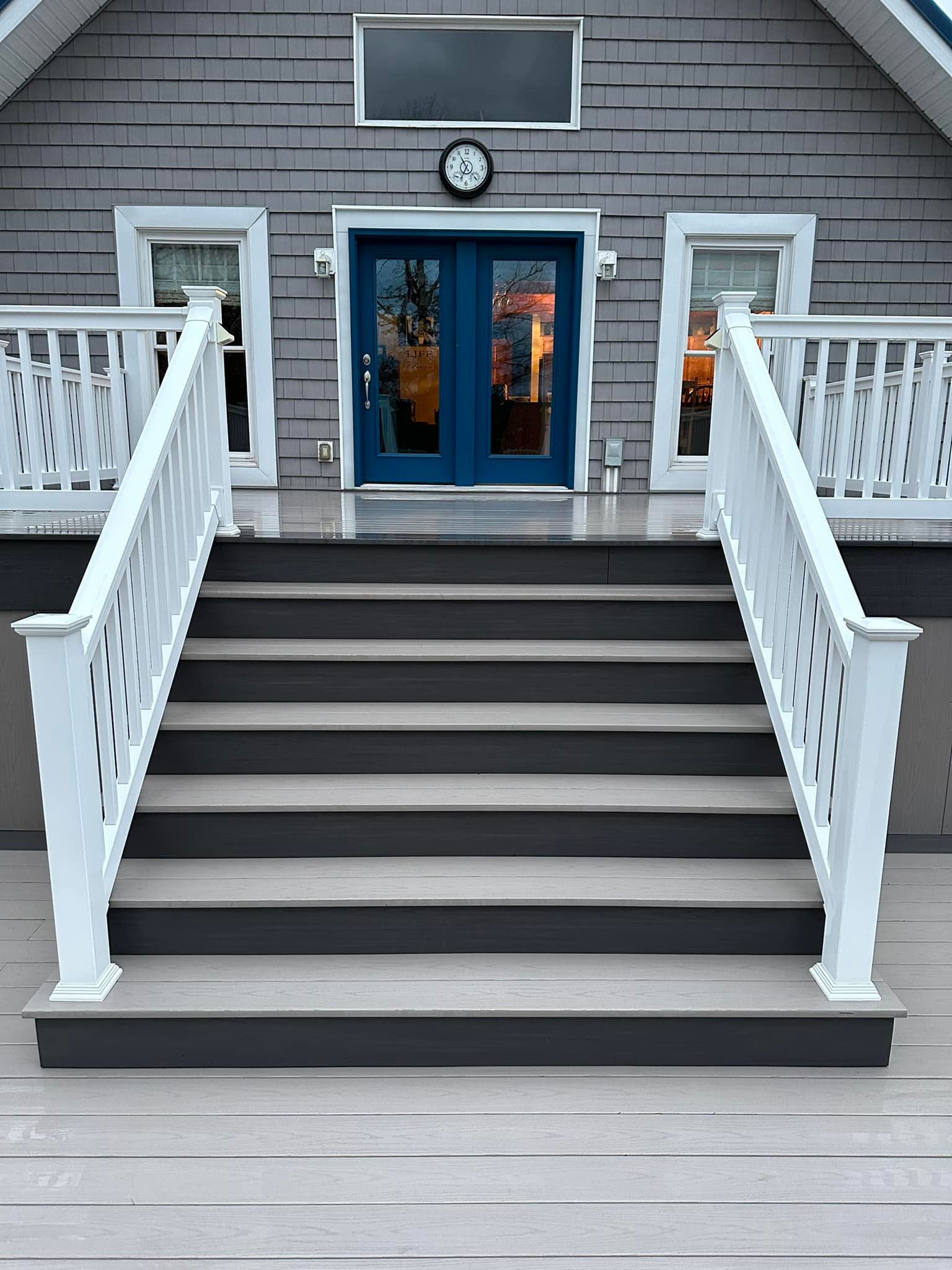
Including outdoor spaces in your remodeling plans can extend adaptive living to every part of your home. Installing ramps or lift systems can make terraces and gardens accessible. Consider designing pathways with smooth surfaces and gentle slopes to facilitate easy movement.
Ultimately, remodeling for the future is not merely a project; it’s an investment in comfort, safety, and autonomy. By focusing on accessibility and adaptability, small changes can have a significant impact, ensuring that your home meets your needs today and tomorrow. At Wynn Home Services, we are committed to assisting you every step of the way, transforming your home into a space that accommodates your lifestyle and enhances your quality of life as you age in place.
Remodeling your home to be adaptive and accessible is a thoughtful approach to future-proofing your living environment. It's about creating a welcoming space for all, allowing every resident to thrive in their home comfortably and independently for many years to come.
/filters:no_upscale()/filters:format(webp)/media/0c4d3222-49b4-45f2-a750-c9e9cb0cf3eb.jpeg)